1. Talk through what you have
You describe the waste, where it is and who can reach it. The team explains what it can pick up and how access can be arranged.
Mercer Island, WA · King County
Found a box of old syringes, soiled linens or a full sharps container in Mercer Island? Call (877) 812-4220 before anyone touches it. You get a cleanup team for the collection, hauling and disposal.
If anyone is in danger, call 911 first. For a suicide crisis, call or text 988.
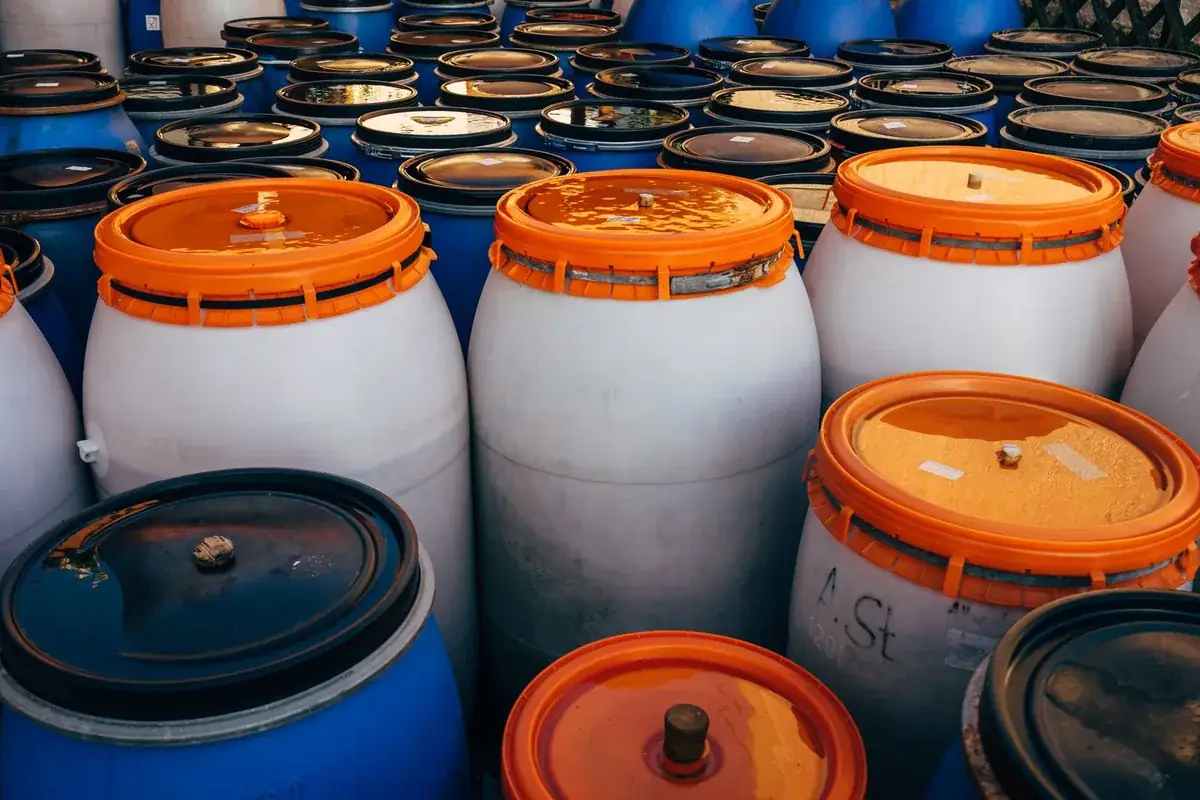
Regulated medical waste is waste from care, illness or injury that could spread infection if it is handled carelessly. Removal means trained handling with protective equipment, puncture-resistant containers and a proper disposal route.
If medical waste was left on your Mercer Island property in King County after a move, a death, an eviction or a long illness, call Mercer Island Biohazard Cleanup Help. The crew works quietly and can arrive in an unmarked vehicle when privacy matters.
Many households in Mercer Island include seniors, about 22% of residents, and that means more home nursing waste that needs safe removal. If anyone is stuck by a needle or splashed, the nearest emergency room is Overlake Hospital Medical Center & Clinics in Bellevue, about 4 miles away. Call 911 if it is an emergency.
The work often covers:
You describe the waste, where it is and who can reach it. The team explains what it can pick up and how access can be arranged.
Crews bring the right containers for sharps, fluids and soaked items, so nothing is moved in a way that risks a stick.
Sealed containers travel to a facility that treats regulated medical waste. Rules about haulers apply, and the team can explain them.
Floors, shelves or drawers that held the waste are disinfected with EPA-registered products, and any odor is addressed.
The cost of medical waste removal in Mercer Island, WA depends on the amount of material, how it is packed and how it is hauled.
If fluids spilled and surfaces or flooring were soaked, cleaning and disinfecting the area adds to the job beyond the pickup.
| Type of job | Typical range |
|---|---|
| Small physician practice | $75 - $200 per month |
| Regulated medical waste | $0.30 - $0.80 per pound |
| Dental office | $50 - $175 per month |
| Medical waste disposal | $2 - $20 per pound |
Published ranges only (MedPro Disposal, Fixr); every medical waste removal job in Mercer Island is priced after an on-site look. Price drivers include weight of waste, type of waste, how often pickup happens, container and transport fees. Questions? Call (877) 812-4220.
They overlap. Medical waste removal focuses on collecting and disposing of the waste. Biohazard waste cleanup also covers cleaning and disinfecting the area, removing soaked materials and treating odor. Many jobs include both, and a cleanup team can tell you which fits.
Many teams can arrive in an unmarked vehicle and work quietly. If privacy matters, ask about it when you call. The team asks only what it needs to plan the job, and you decide what else to share.
Needles and soaked items should not go in household trash. They can injure sanitation workers and spread germs. Rules for small household amounts of sharps vary by city and county, so the local health department can say what applies. A cleanup team can take anything larger or anything from another person's care.
Biohazard waste is sorted, sealed in labeled puncture-resistant containers or bags, hauled to a facility that treats regulated medical waste, and then disposed of. Biohazard disposal companies pack it so nothing leaks, and it never goes in the regular trash. A cleanup team can explain each step of the route.
Many cleanup teams offer scheduled pickups for small practices, salons, tattoo shops and care homes. Ask about frequency, container types and record keeping when you call. A good team explains the plan, the price range and what will be removed before it starts.
It can be. A bandage soaked or dripping with blood may carry bloodborne pathogens, and handling it carelessly can expose skin or eyes. A lightly stained one is a smaller concern. If you are unsure, use gloves, bag it, and ask a cleanup team or the local health department what to do.
Describe what you have and ask how pickup and disposal would work.
Call (877) 812-4220